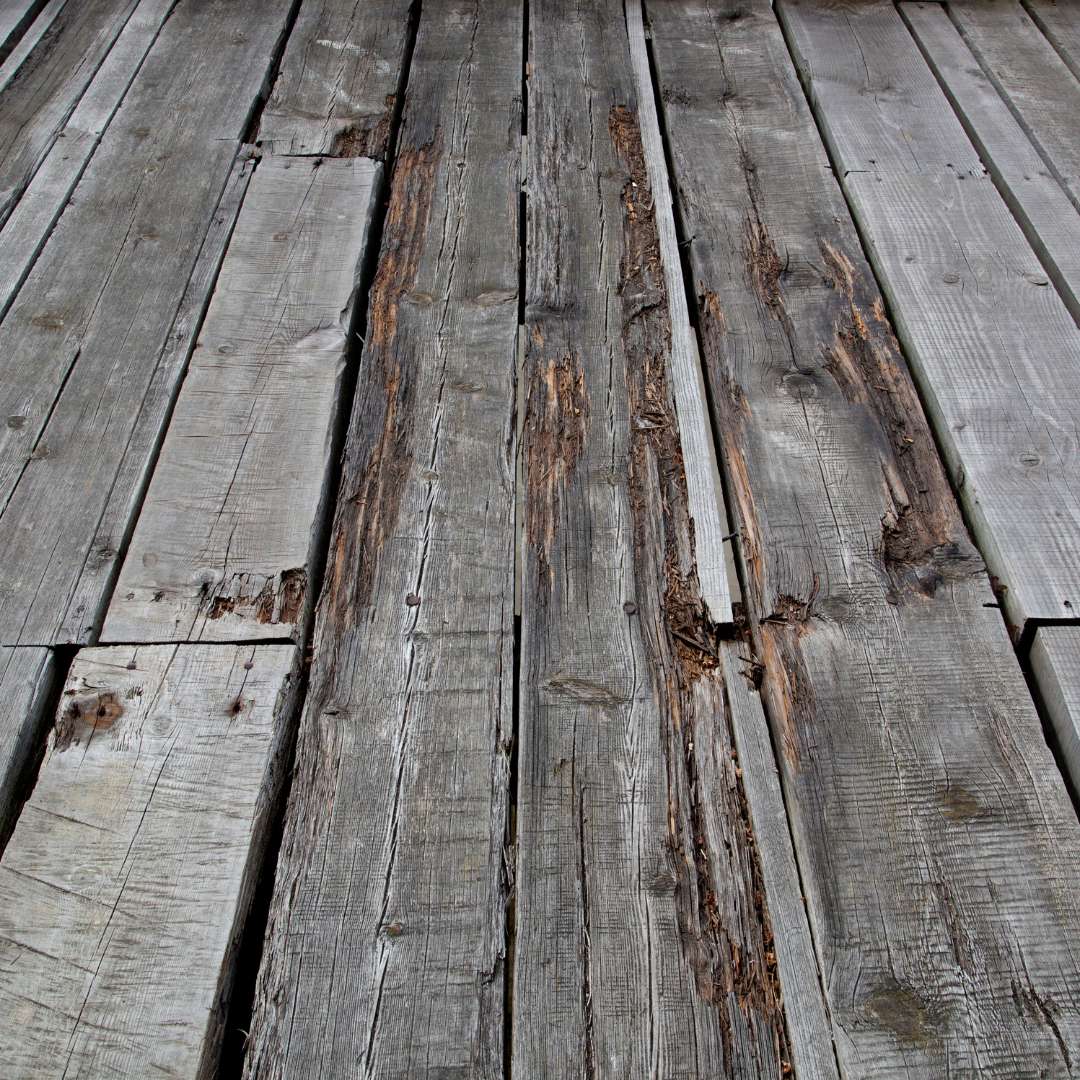
When a deck looks tired, the right solution depends on what is happening below the surface. This guide breaks down redecking versus full replacement so you can make a safe, informed decision based on condition, value, and long-term performance.
What is Redecking?
Redecking updates the walking surface and often the railings while keeping the existing structural frame in place. It can be a smart option when the structure is sound, and the wear is mostly limited to boards, stairs, or rail components.
Redecking means removing and replacing the deck boards and related surface elements while the framing remains.
What Redecking Typically Includes
Redecking focuses on the parts of the deck that take the most daily wear. The exact scope depends on the condition of your deck and what is uncovered once the surface boards are removed.
Typical redecking work may include:
- Replacing deck boards across the full surface
- Replacing stair treads when they are worn or no longer safe
- Updating railings or select railing components for stability and code compliance
- Replacing deteriorated trim or fascia boards where needed
- Upgrading fasteners and connectors to improve long term performance
- Addressing localized deck repair needs within the framing if limited issues are found
What Redecking Does Not Fix
Redecking does not solve structural problems such as failing joists, beams, posts, or an unsafe ledger connection at the house. If those components are compromised, replacement is usually the safer and more durable investment.
What is Deck Replacement?
Deck replacement removes the existing deck and rebuilds both the structure and surface. This option makes sense when structural concerns, age, or repeated deck repair point to a deck that has reached the end of its service life.
Replacement means rebuilding the deck framing and surface, so the entire system is new.
What Replacement Of A Deck Typically Includes
Deck replacement addresses both the structure and the surface, so you are not building new materials on top of an aging framework. The exact scope depends on your property conditions, deck size, and the safety issues being corrected.
Typical deck replacement work may include:
- Removing the existing deck and preparing the site for new construction
- Rebuilding the structural framing so the deck performs safely and consistently
- Updating the connection at the house with proper water management details
- Installing new decking boards across the full surface
- Building new stairs and landings where needed for safe access
- Installing new railings designed for long term stability
- Using updated fasteners and connectors to improve durability over time
What Replacement May Not Include
Replacement is comprehensive, but it does not always include changes that are not required for performance or safety. If you want upgrades beyond the rebuild itself, those are usually handled as add-ons based on your goals and budget.
Items that may not be included unless requested:
- Expanding the footprint or changing the overall layout
- Specialty features such as built in seating, screens, or decorative finishes
- Significant changes to the surrounding landscaping or hardscaping
- Additional exterior carpentry projects outside the deck scope
Benefits of Redecking
When the structure is in good condition, redecking can deliver a major improvement in safety and appearance without the scope of a full rebuild. It is often the right balance of performance and investment for decks with surface level wear.
Lower disruption and faster turnaround-Because the structure stays in place, redecking is usually a more streamlined project.
Better value when the structure is still sound-You can extend the usable life of the deck by replacing the parts that take the most abuse.
Upgrade the look without rebuilding-New decking and rail components can refresh the overall appearance while keeping the existing layout.
Targeted deck repair while improving finish-Loose boards and worn stair treads can be addressed as part of a more complete surface update.
Limitations of Redecking
Redecking depends on the condition of the frame-If joists, beams, posts, or the ledger are failing, replacement is usually the safer direction.
Layout limitations-Most redecking projects keep the same footprint and access points because the frame remains.
Hidden issues can change scope-Once the surface is removed, issues like moisture damage or outdated connections can become visible and affect the best path forward.
Material compatibility constraints-Some materials require tighter support spacing and specific fastening methods, which may not match an older frame.
Key Factors to Consider When Deciding to Redeck Or Replace
The best decision comes from evaluating structure, safety, and the true cost over time. A worn surface does not always mean you need a full rebuild, but structural warning signs should always carry the most weight.
- Safety and structure first
A stable frame and secure attachment points matter more than cosmetic appearance. - Age and maintenance history
Frequent repairs and recurring deterioration can be signs the deck is nearing end of life. - Cost comparison that matters
Think in terms of expected years of service after the work, not only the initial price. - Material goals and maintenance preferences
Different materials bring different maintenance expectations and support requirements. - How you use the deck
Traffic, furniture, grills, and exposure to moisture influence how the deck should be built to perform well.

Red Flags to Watch for and What they Usually Mean
Some deck issues are cosmetic, but others signal deeper structural concerns that can impact safety. These warning signs help avoid common misreads that lead to the wrong investment.
Surface appearance can be misleading
Splintering boards and faded stain may be surface wear, but the structure still needs to be evaluated before choosing redecking.
Ledger and flashing problems are serious
The connection point at the house is one of the most important safety areas, and moisture issues here often point to replacement.
Movement usually signals deeper issues
Bounce, sagging, and shifting tend to indicate framing problems that should not be covered up with new boards.
Hardware and fastener failure matters
Corrosion and loosening connectors affect how loads transfer through the deck and can shorten the life of any repair.
Stairs and railings are safety zones
If rail posts move or stairs feel inconsistent, the deck may need more than surface updates.
Material mismatch creates limitations
If the existing frame does not support the material you want, the scope may need to shift toward structural rebuilding.
When Redecking is Usually the Right Choice
Redecking is typically the best option when the deck structure is solid, and the wear is concentrated in the surface materials. It can improve safety, comfort, and appearance while preserving the existing framework.
- The frame is structurally sound
- Your goals are surface level improvements
- The layout still works
When Deck Replacement is Usually the Better Option
Replacement is usually the better direction when the structure is compromised or when the deck has become a cycle of ongoing deck repair. It provides a safer and more durable result when the existing deck has reached its limits.
- Structural issues are present
- Persistent movement or sagging exists
- Recurring repair is becoming the norm
Redeck or Replace Quick Checklist
Redecking may be a good fit when:
- The deck feels stable with no noticeable bounce
- Railings feel solid with no post movement
- The framing shows no visible rot or soft areas
- Wear is mainly on deck boards or stair treads
- You are happy with the current size and layout
Replacement is often the safer choice when:
- The deck bounces, shifts, or sags
- Posts or beams show cracking, rot, or deterioration
- The ledger area shows staining, softness, or gaps
- Connectors are heavily rusted or fasteners are pulling loose
- You have needed repeated deck repair in recent seasons
The right choice comes down to what the deck needs structurally and what you want it to deliver long term. A clear evaluation helps you avoid spending money on the wrong scope and gives you confidence in the result.
Craiger Custom Design has been building since 1989 with more than 60 years of combined experience and a reputation for craftsmanship and reliable guidance. If you are weighing redecking versus replacement, tell us about your project.