Built-in patio seating is especially useful when a patio needs clearer zones. It can help separate dining, lounging, fire pit, and garden areas without relying on extra furniture to define the space.
The goal is not simply to add more places to sit. It is to improve how the patio functions, feels, and supports everyday use.
Well-planned built-in seating can help define a patio or deck, make better use of corners, create gathering areas, and reduce the need for loose furniture. It can also add long-term value when the materials, placement, and proportions are chosen with care.
For homeowners in Chicagoland and Southern Wisconsin, built-in patio seating also needs to account for Midwest weather, seasonal use, drainage, maintenance, and how the space will hold up over time.
Why Built-In Patio Seating Is Worth Considering
Built-in seating works especially well when you want your patio to feel organized without feeling overly furnished. Instead of filling the space with chairs that need to be moved, stored, or replaced, permanent seating can create a cleaner and more intentional layout.
Built-in patio seating can help with:
- Creating a defined outdoor living area
- Making small patios feel more usable
- Adding seating without clutter
- Framing fire pits, gardens, or dining areas
- Improving traffic flow
- Reducing the amount of movable furniture needed
- Creating a more finished look
The key is balance. Too much built-in seating can make a patio feel boxed in. Too little may not solve the practical seating problem. The right approach depends on the size of the space, how you entertain, and how the patio connects to the rest of the yard.
Built-In Bench Seating
Built-in benches are one of the most common and versatile options for patio seating. They can be placed along the edge of a patio, beside a retaining wall, under a pergola, or around a fire feature.
A bench works well when you want seating that is simple, durable, and easy to blend into the surrounding structure.
Common bench seating options include:
- Straight benches along one side of a patio
- L-shaped benches in a corner
- Floating-style benches attached to a wall or frame
- Storage benches with lift-up or front-access compartments
- Backless benches for a more open feel
- Benches with backs for added comfort
In many yards, one or two well-placed bench sections are more useful than continuous seating around the entire patio. This keeps the layout flexible and leaves room for tables, planters, or movable chairs.
A good built-in bench should feel like part of the outdoor space, not like an afterthought.

Corner Seating for Smaller Patios
Corner seating is a smart choice for homeowners who want to make better use of limited patio space. A corner bench can provide seating without blocking the center of the patio or interrupting walking paths.
This option works especially well for:
- Small patios
- Townhomes
- Side yards
- Courtyard-style spaces
- Patios near fences or privacy screens
- Outdoor dining corners
Corner seating can also help create a cozy feel. Instead of spreading chairs across the patio, the seating is gathered into one defined area. This leaves more room for a table, fire pit, planter boxes, or open floor space.
For comfort, the corner should not be too deep or too upright. Seat depth, back angle, and cushion planning all matter. A bench that looks attractive but feels uncomfortable will not get used often.
Sunken Seating Areas
Sunken seating can create a more intimate outdoor gathering space, especially around a fire pit or central feature. This style lowers the seating area slightly below the surrounding patio or landscape grade.
It can feel inviting when done well, but it requires careful planning.
Important considerations include:
- Drainage
- Step placement
- Lighting
- Safety
- Railings if required
- Comfortable spacing between seats and fire features
- Snow and water management in colder climates
Sunken seating should feel like a relaxed outdoor room, not a pit. The transition into the space should be easy to see and comfortable to use. Built-in lighting, wide steps, and thoughtful material choices can make a major difference.
This option is often better suited for larger yards or patios where there is enough room to create a distinct seating zone without making the space feel cramped.
Built-In Seating Around a Fire Pit
Fire pit seating is one of the most popular uses for built-in patio seating. It gives family and guests a natural place to gather and helps organize the layout around a central feature.
The biggest mistake is placing seating too close to the fire pit or creating a ring of seating that feels too formal.
A more comfortable approach may include:
- A curved bench on one side of the fire pit
- Two shorter benches with room for movable chairs
- A corner bench paired with lounge chairs
- Low seat walls that double as casual seating
- A mix of built-in and flexible seating

Seat Walls and Low Masonry Seating
Seat walls are low walls that can serve as both structure and seating. They are often built with stone, brick, concrete block, or other masonry materials.
This option can be useful when the patio already needs a retaining wall or edge definition. Instead of building a wall that only separates spaces, it can be planned at a comfortable height for occasional seating.
Seat walls are especially useful for:
- Patio borders
- Fire pit areas
- Garden edges
- Sloped yards
- Outdoor entertaining areas
- Spaces where extra seating is helpful but not always needed
For everyday comfort, seat walls may need cushions or wood caps. Masonry can be durable and attractive, but it may feel cold or hard without the right finishing details.
Built-In Seating with Planters
Combining seating with planter boxes can soften the look of a patio and make built-in seating feel less heavy. Planters can be placed at the ends of benches, behind seat backs, or between seating sections.
This is a good way to avoid the stadium effect because greenery breaks up long runs of seating.
Built-in seating with planters can add:
- Color
- Texture
- Privacy
- Seasonal interest
- A softer transition between patio and landscape
- A more custom-built appearance
Planters should be planned with drainage and maintenance in mind. If water has nowhere to go, it can damage surrounding materials over time. In colder climates, freeze and thaw cycles also matter.
Built-In Seating Under a Pergola or Shade Structure
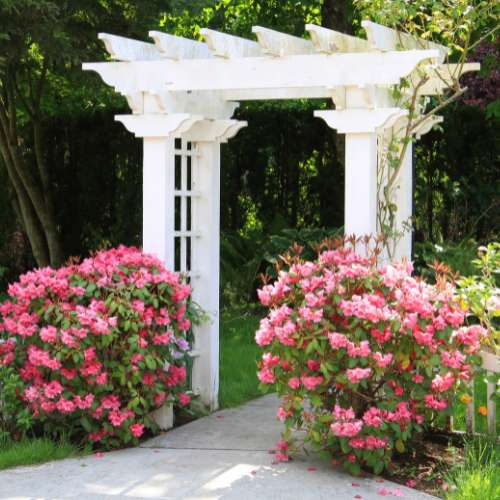
A pergola can make built-in patio seating feel more like an outdoor room. It creates a sense of enclosure without fully closing off the space.
This works well for:
- Lounge seating
- Dining patios
- Reading areas
- Poolside seating
- Garden seating
- Outdoor conversation spaces
Materials for Built-In Patio Seating
Wood
Wood offers a warm, natural look and can work well with decks, pergolas, fences, and garden structures. It is a strong choice when the homeowner wants the seating to feel crafted and integrated.
Wood seating may require:
- Sealing or staining
- Seasonal inspection
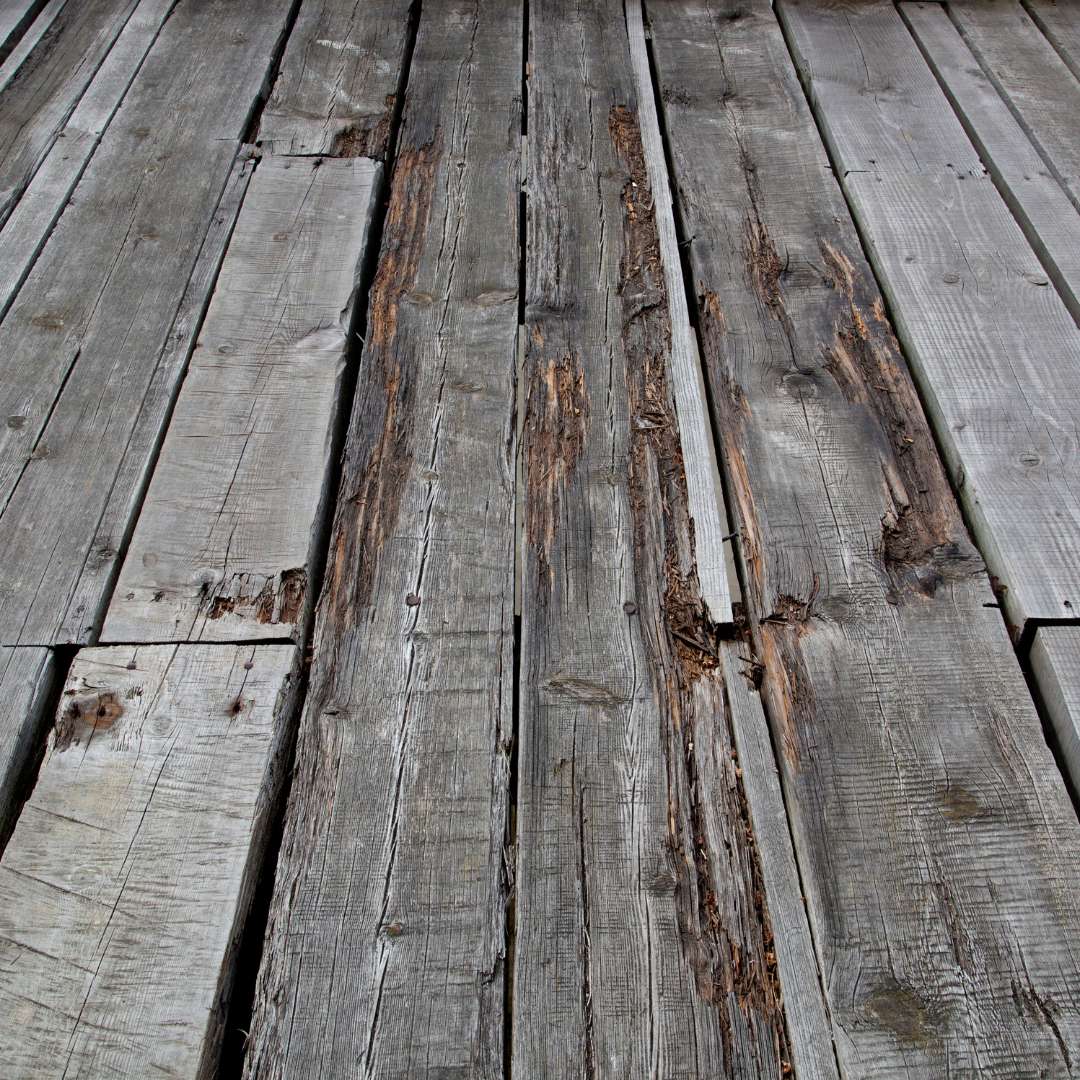
- Protection from standing moisture
- Attention to fasteners and framing
- Occasional refinishing
Wood is often chosen for comfort and character, but long-term care should be part of the decision.
Composite Decking
Composite materials are often used for built-in seating on or near decks. They can provide a clean look with lower maintenance requirements than traditional wood.
Composite may be a good fit when:
- The seating connects to a deck
- Low maintenance is a priority
- The homeowner wants consistent color
- Moisture resistance is important
- The space gets frequent use
Stone or Masonry
Stone, brick, and masonry seating can feel permanent and substantial. These materials work well with patios, retaining walls, fire features, and garden borders.
Masonry seating is durable, but comfort should be considered. Adding a wood cap, cushions, or a slightly wider seat can make it more usable.
Concrete
Concrete can create a clean, modern look and can be formed into benches, seat walls, or integrated patio features. It is durable, but it needs careful planning, so the seating does not feel too cold or stark.
Concrete seating often benefits from:
- Cushions
- Wood accents
- Adjacent planters
- Warm lighting
- Textured finishes
- Thoughtful placement
Mixed Materials
Some of the most appealing built-in seating uses more than one material. A stone base with a wood seat, a composite bench with metal accents, or a masonry wall with planter boxes can create a more layered look.
Mixed materials can help the seating connect to both the home and the landscape.
Where Built-In Seating Works Best
Built-in seating does not need to cover the entire patio. In many cases, it works best when placed strategically.
Good locations include:
- Along the edge of a patio
- Around part of a fire pit
- In a quiet garden corner
- Beneath a pergola
- Beside a retaining wall
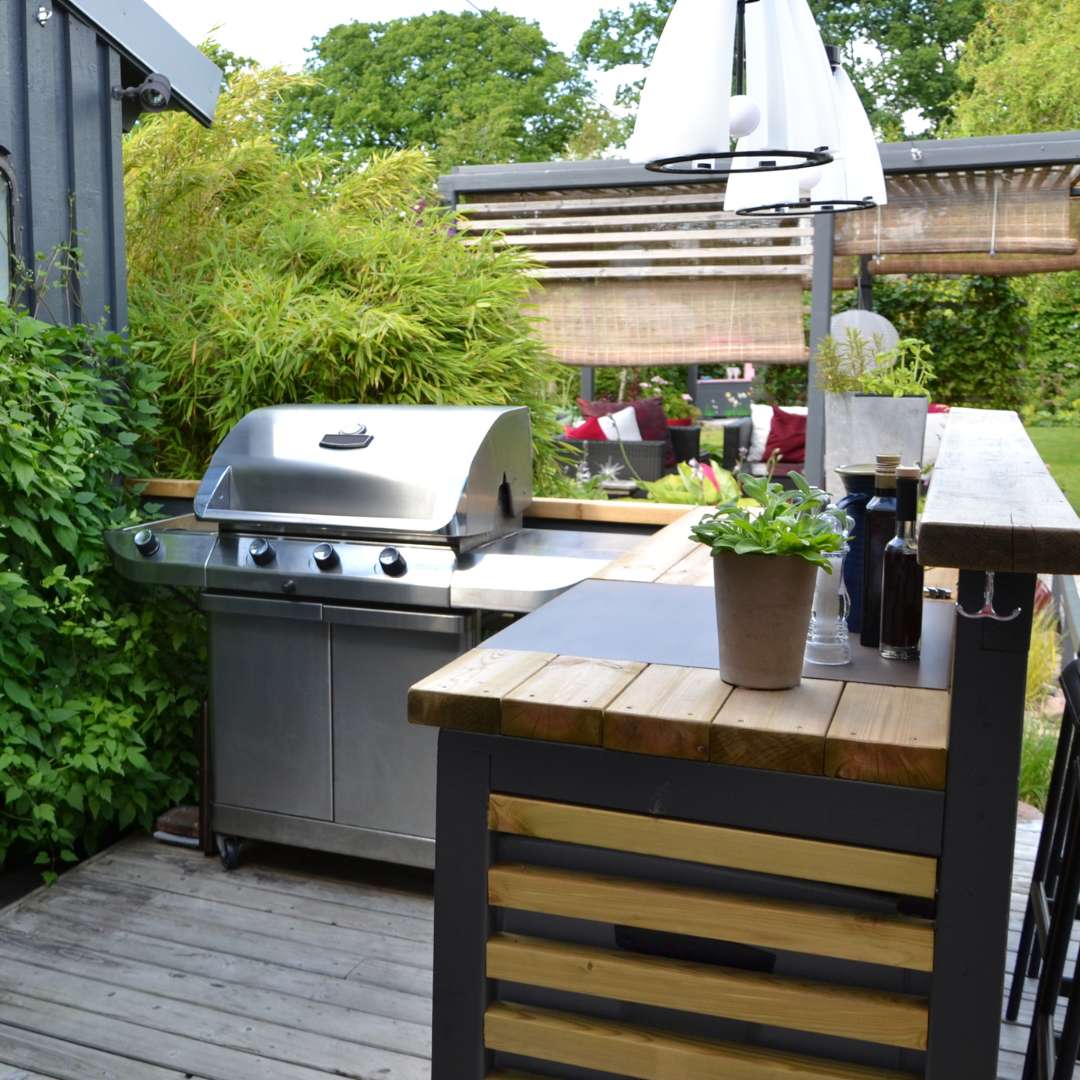
- Near an outdoor kitchen
- Around a dining area
- Near a pool or water feature
- Along a deck perimeter
- In a transition area between patio and yard
Before choosing a location, think about how people will move through the space. Seating should support the layout, not create obstacles.
How to Keep Built-In Seating from Feeling Like Stadium Seating
This is the most important part of the planning process. Built-in seating can quickly feel too rigid if it is placed in long rows, wrapped around every side, or built without variety.
To create a more natural feel, consider these guidelines:
- Break up long seating runs with planters or open space
- Use corners instead of full perimeter seating
- Mix built-in benches with movable chairs
- Avoid placing every seat in a straight line
- Create conversation zones instead of rows
- Keep enough open floor space
- Use cushions, pillows, or wood caps for warmth
- Add side tables or built-in ledges
- Leave clear walking paths
- Match the scale of the seating to the size of the patio
Comfort Details That Matter
Built-in seating should be planned for real use. A beautiful bench that is too deep, too narrow, too high, or too upright will not be comfortable for long.
Details that are easy to overlook include:
- A comfortable place to set down a drink
- Enough room for people to shift positions
- Shade during the hottest part of the day
- A seating surface that does not become too hot in direct sun
- Clear visibility of steps or level changes
- Storage plans for cushions and pillows
These details may seem small, but they shape how the space feels day to day.
Mixing Built-In Seating with Movable Furniture
Built-in seating does not need to handle every seating need on the patio. In many outdoor spaces, the most comfortable layout uses a combination of permanent seating and movable chairs.
Built-in benches or seat walls can anchor the space, while chairs provide flexibility for larger gatherings, dining, or quiet evenings outside.
This approach works well because it allows the patio to adapt. A family dinner, a fire pit gathering, and a quiet morning coffee may all call for a slightly different setup.
This replacement is stronger because it gives the reader a useful planning insight and avoids repeating the same benefit.
Mixing Built-In Seating with Movable Furniture
If the patio is meant for relaxing, the seating should feel less upright and more lounge friendly. This may mean deeper benches, angled backs, cushions, or a layout that faces inward.
Conversation seating works best when people can face each other naturally. A corner layout, U-shape, or two benches facing each other can work better than one long row.
This type of seating pairs well with:
- Fire pits
- Coffee tables
- Pergolas
- Privacy screens
- Planter boxes
- Outdoor lighting
- Garden views
Planning Checklist for Built-In Patio Seating
Before choosing a seating style, it helps to think through the practical details.
Use this checklist as a starting point:
- How many people do you usually want to seat?
- Will the space be used for dining, relaxing, entertaining, or all three?
- Do you want permanent seating, flexible seating, or a mix?
- Where does the sun hit during the times you use the patio most?
- Are there views you want to face or block?
- Do you need privacy from neighbors?
- Will cushions be stored indoors or outside?
- How much maintenance are you comfortable with?
- Does the seating need to connect to a deck, pergola, fence, or retaining wall?
- Are there drainage concerns?
- Will the layout still allow easy movement through the patio?
Built-In Seating Can Add Structure Without Adding Clutter
One of the biggest benefits of built-in seating is that it gives the patio a sense of structure. It can define where people gather, where the patio ends, and how the outdoor space connects to the yard.
When it is planned well, built-in seating does not overpower the patio. It supports the way the space is used.
A small corner bench can make a compact patio more functional. A seat wall can turn a retaining wall into a useful feature. A bench with planters can make a seating area feel softer and more connected to the landscape.
The best built-in seating feels intentional, comfortable, and suited to the property.
Final Thoughts
Built-in patio seating works best when it is planned around how the space will actually be used. A corner bench, seat wall, sunken lounge area, planter bench, or fire pit seating arrangement can all be effective when the scale and placement fit the yard.
The strongest layouts usually leave room to move, include a mix of seating types, and use materials that can handle regular use and Midwest weather.
If you are considering built-in seating as part of a patio, deck, pergola, or larger outdoor living project, start by looking at how the space will be used day to day. Craiger Custom Design can help you think through layout, materials, and custom-built options that fit your home, yard, and long-term goals.
Explore project examples or contact Craiger Custom Design to start planning your outdoor space.