Patio wind problems can make an otherwise useful outdoor space feel uncomfortable, exposed, and difficult to enjoy. Strong gusts may interrupt outdoor dining, push smoke from the grill, scatter cushions, or make a seating area feel too open. The right solution depends on how wind moves through the property, how the patio is used, and which custom-built structure can add protection without making the space feel closed in.
For many homeowners in Chicagoland and Southern Wisconsin, custom-built outdoor structures can make a patio feel more protected without making it feel closed in. Privacy panels, lattice screens, partial walls, pergolas, planter boxes, built-in seating, and screened patios can all help reduce wind while improving the comfort and function of the space.
Why Patios Get Windy
Before choosing a patio wind block, it helps to understand why the space feels windy in the first place. Some patios are exposed because of where they sit on the property. Others become uncomfortable because wind is being funneled between the home, nearby fencing, neighboring structures, or open yard space.
Common causes of patio wind problems include:
- open exposure to a yard, field, pond, lake, or golf course
- wind moving between the home and a fence or neighboring structure
- a raised patio or elevated outdoor living area
- limited trees, screens, walls, or vertical features nearby
- seating or dining areas placed directly in the wind path
- a home layout that creates a wind tunnel effect
The direction of the wind matters. If the strongest gusts come from one side, a targeted privacy panel, lattice screen, or partial wall may be enough. If the patio is exposed from several directions, a more complete structure may be worth considering.
The goal is not always to block every bit of air. In many cases, the goal is to slow the wind, soften the gusts, and make the patio more comfortable for everyday use.
Temporary Fix or Permanent Patio Wind Solution?
Temporary items may help for a single gathering, but they rarely solve the larger issue. Moveable pieces can shift, wear out, or feel disconnected from the home. If the patio is used often, a permanent custom-built solution usually provides better comfort, appearance, and long-term value.
A permanent patio wind solution may make sense when:
- the patio is used regularly for dining, relaxing, or entertaining
- wind affects grilling, seating, or conversations
- the space feels too open or exposed
- privacy is also a concern
- the patio needs a more finished edge
Permanent does not have to mean fully enclosed. A carefully placed wood screen, privacy panel, partial wall, or built-in feature can reduce wind while keeping the patio open and inviting.
Custom Patio Screens for Wind and Privacy
Custom patio screens are one of the most practical ways to reduce wind while improving the overall feel of an outdoor space. They can be built to fit the exact patio layout, placed where protection is needed most, and crafted to complement the home.
A solid or mostly solid privacy panel is helpful when the patio needs stronger wind control and added privacy. This type of structure works well along the side of a patio that receives direct gusts, behind a seating area, or near an outdoor dining space.
Benefits of custom privacy panels include:
- Targeted protection from wind
- Added privacy from neighbors or nearby views
- A more finished outdoor room feel
- Flexibility in height, width, and placement
- A wood structure that can be crafted to suit the property
Lattice and Slatted Screens for Filtered Wind Protection
Lattice screens and slatted wood panels offer a slightly different benefit. Instead of fully blocking the wind, they filter it. This allows some air to pass through while reducing the force of direct gusts.
That distinction matters. A solid wall can stop wind in one area, but it may also push air around the edges or over the top. In some spaces, that can create swirling air nearby. A filtered structure can soften wind while keeping the patio brighter, more open, and more connected to the yard.
Lattice and slatted screens are helpful when you want to preserve:
- natural airflow
- sunlight
- views into the yard
- space for climbing plants or surrounding landscape features
- a lighter, less enclosed appearance

In many patios, the strongest approach is a combination. A more solid privacy panel may protect the dining area, while lattice or slatted screening can soften wind along another side without making the space feel closed off.
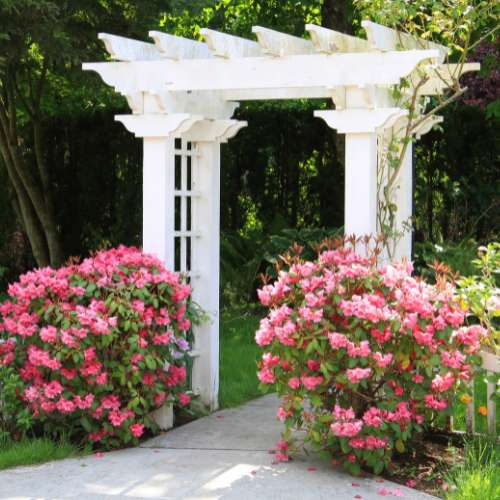
The custom lattice privacy screens pictured above were made for an Arlington Heights home to filter wind, add privacy, and still keep the patio feeling open rather than fully enclosed.
Partial Walls and Built-In Seating for Protected Patio Zones
A partial wall can help define a patio while protecting it from wind. Unlike a full enclosure, a partial wall creates structure and comfort without separating the patio from the rest of the yard.
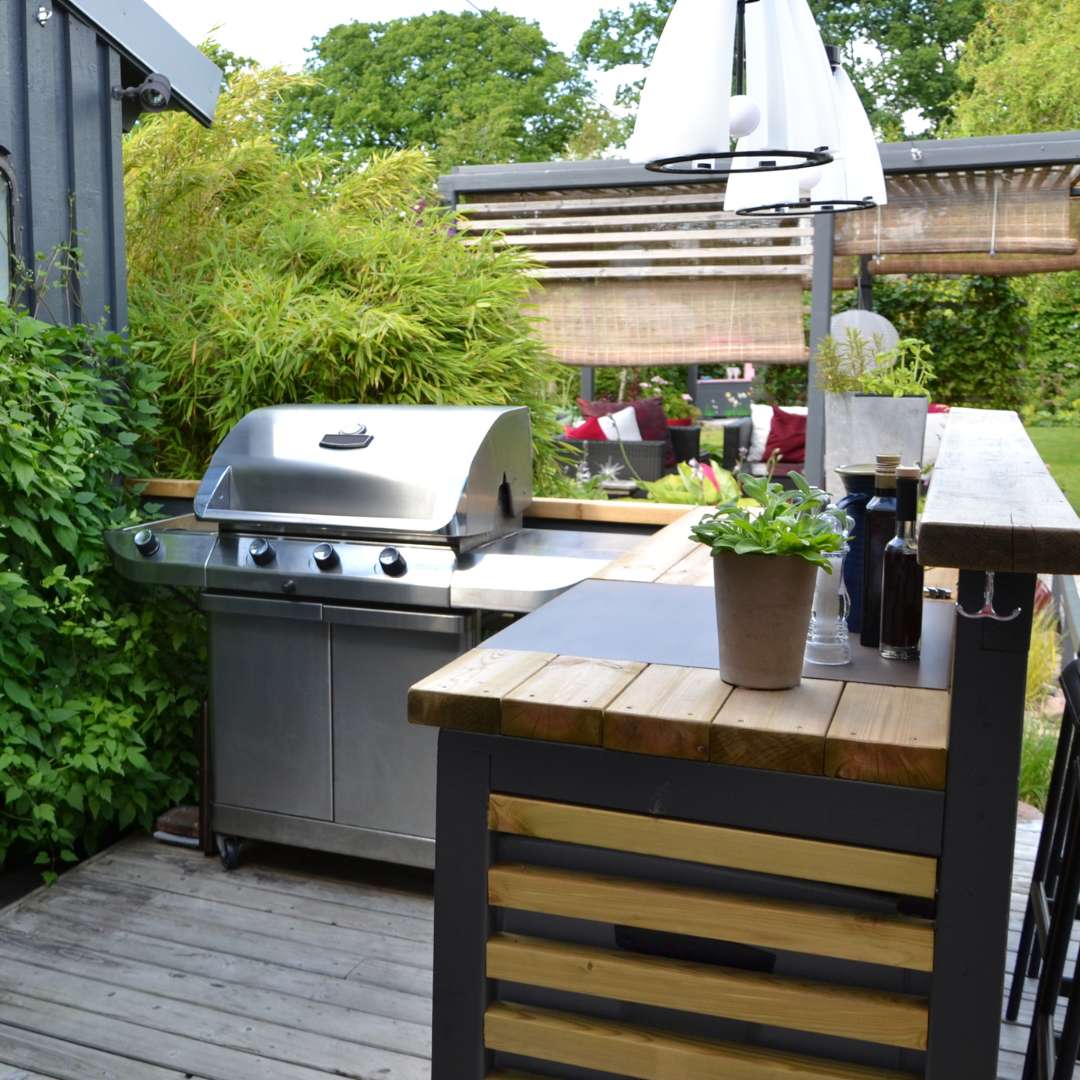
Partial walls are especially useful when the wind problem affects one part of the patio more than another. They can be placed behind a seating area, beside a dining space, near a grill or prep area, or along the most exposed patio edge.
Built-in seating can also be part of the solution. A custom bench with a taller back, privacy panel, or partial wall behind it can create a more protected gathering area. Instead of adding a separate wind block, the seating and protection become one thoughtful built feature.
This approach works well for:
- fire pit seating areas
- outdoor dining spaces
- patios used for entertaining
- smaller patios where every feature should serve a purpose
- patio edges that feel unfinished or exposed
A partial wall or built-in seating feature can make the patio feel more intentional. The space begins to function more like an outdoor room, with clear areas for gathering, dining, cooking, or relaxing.
The suburban custom pergola benches pictured to the right show how built-in seating can help define a protected gathering area while making the patio feel more finished and intentional.

Pergolas with Side Screens for Wind and Shade Control
A pergola alone is not usually enough to block wind because it is primarily an overhead structure. However, a custom pergola with side screens, lattice panels, or privacy features can become part of an effective wind-control plan.
This option is especially helpful when the patio needs more than wind protection. A pergola can add shade, structure, and definition, while side panels help protect the areas most affected by wind.
A pergola with side screens may be a good fit when the homeowner wants:
- partial wind protection
- shade over a seating or dining area
- privacy on one or two sides
- a stronger outdoor room feel
- a custom wood structure that adds character to the patio
This type of structure can make an open patio feel more anchored to the home without creating a fully enclosed space.
As you can see in the image to the right, this suburban pergola with sides illustrates how a custom wood structure can add shade, privacy, and partial wind protection while still keeping the outdoor space connected to the yard.

How Tall Should a Patio Wind Break Be?
The right height depends on how the patio is used. Taller is not always better. A wind break should protect the people using the space without overwhelming the patio, blocking important views, or making the area feel boxed in.
For seating areas, the wind break should focus on the height where people sit and gather. For dining areas, it should help protect both the tabletop and the people seated around it. For grill areas, placement is especially important because wind can affect smoke direction and cooking comfort.
Important height considerations include:
- whether the area is used for sitting, standing, dining, or grilling
- how close the wind break will be to the seating area
- whether the patio is raised or at ground level
- which views should be preserved
- how the structure will look from inside the home
- whether privacy is also a goal
When a Screened Patio Is the Best Wind Solution
For some patios, screens, panels, or partial walls may not be enough. If wind is frequent, insects are also a concern, or the homeowner wants a more protected seasonal space, a screened patio or screen room may be the strongest solution.
A screened-in patio creates a more comfortable outdoor room while still allowing fresh air and natural light. It can make the space more usable during spring, summer, and fall, especially when the existing patio feels too exposed.
If the goal is the most reliable wind-free zone, a screened patio or screen room is often the ultimate solution. It provides a level of protection that individual panels or partial walls cannot always offer.
A screened patio or screen room may be worth considering when:
- wind regularly keeps the patio from being used
- bugs make the space uncomfortable
- the homeowner wants more seasonal use
- outdoor furniture is constantly exposed
- dining or entertaining is a priority
- the patio needs a more complete sense of enclosure

This is a larger investment than a single screen or panel, but it can make a major difference in how often the space is enjoyed.
A Barrington screened room and patio in the image above shows how a more enclosed outdoor structure can provide stronger protection from wind while still allowing light, airflow, and a comfortable connection to the outdoors.
Pro Tip
A Screened Patio Offers the Most Complete Wind Protection
Choosing the Right Custom Wind Solution for Your Patio
The best patio wind solution depends on the property, the wind pattern, and the way the The best patio wind solution depends on the property, the wind pattern, and the way the space is used. A heavily exposed patio may need more structure, while a patio with one windy corner may only need a targeted panel, screen, or built-in feature.
For some homes, the right answer may be a custom privacy panel along the windiest side. For others, a lattice screen may provide enough filtered protection while keeping the space open. A pergola with side panels may be the best fit when shade and structure are also priorities. A screened patio may be the right choice when the homeowner wants the most complete protection.
The goal is not only to block wind. The goal is to create an outdoor space that feels more usable, more finished, and better suited to the home.
How Craiger Custom Design Can Help with Patio Wind Solutions
Choosing the right patio wind solution is not just about adding a wall or screen. It is about understanding how wind moves through the property, how the patio is used, and what kind of structure will improve comfort without taking away from the home or yard.
Craiger Custom Design helps homeowners evaluate those details and choose custom-built features that fit the space. Depending on the patio, that may include privacy panels, lattice screens, slatted wood panels, partial walls, pergolas with side screens, built-in seating, custom planter boxes, screened patios, or screen rooms. Each project is crafted around the property rather than pulled from a prefabricated template.
With a foundation dating back to 1989, more than 60 years of combined experience, and a reputation built on craftsmanship, honest guidance, and durable construction, Craiger is an ideal partner for homeowners who want a lasting solution instead of a short-term fix. The result is an outdoor space that feels more protected, more comfortable, and more enjoyable for everyday use.