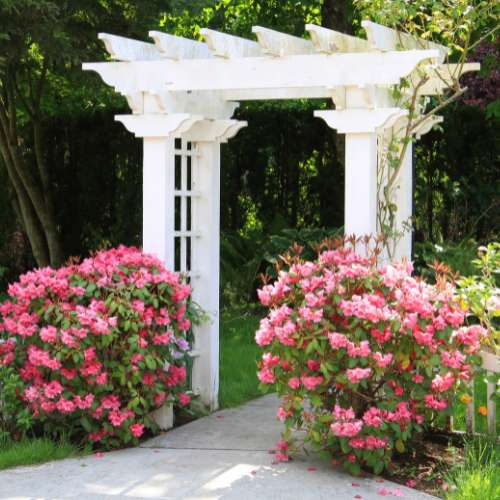
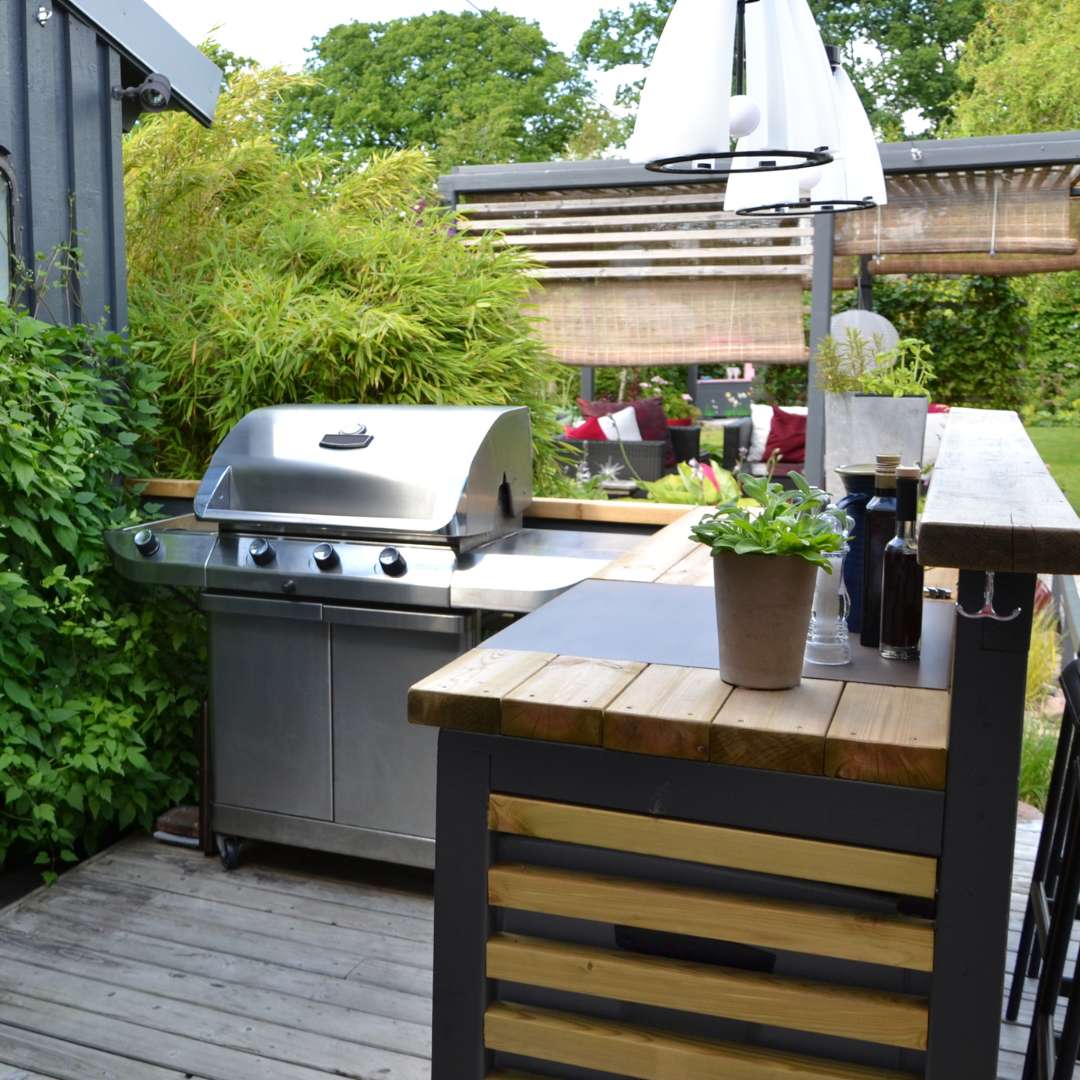
Proper outdoor wood maintenance is essential for preserving the beauty, strength, and longevity of wooden decks, patios, furniture and more. Without regular care, especially with Chicagoland’s drastic seasons, exposure to sunlight, moisture, and temperature changes can cause wood to fade, crack, or rot. Understanding how to protect outdoor wood from weather year-round helps homeowners preserve their investment and enjoy their outdoor living spaces for decades.
From spring preparation to winter protection, following a structured maintenance routine can significantly extend the lifespan of outdoor wooden furniture and structures. Whether you are maintaining a custom-built deck or custom built gazebo, Craiger Custom Design recommends adapting care strategies for each season to get the best long-term results.
Spring Maintenance for Wooden Decks and Patios
As temperatures rise and the snow melts, spring is the perfect time to inspect and refresh your wooden outdoor spaces. Start by removing debris such as leaves and dirt that may have collected over the winter. Follow with a gentle power wash or wood-safe cleaning solution to clear away mildew and grime that can cause long-term damage.
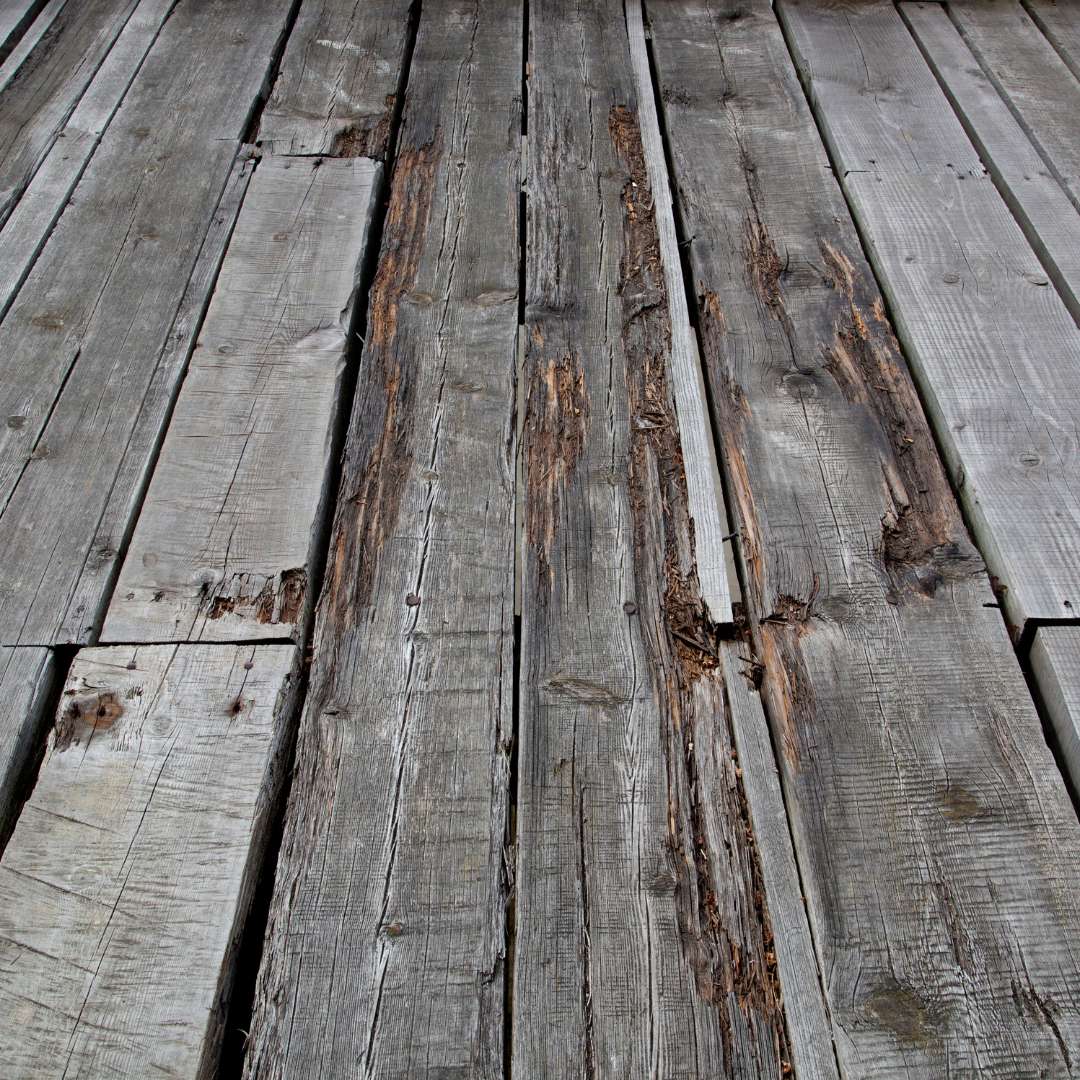
After cleaning, check for signs of rot, loose boards, or worn-out sealant. Spring maintenance for wooden decks and patios should include reapplying a high-quality wood sealer or stain to restore the protective barrier. This not only enhances the look of the wood but also strengthens its resistance against moisture and UV exposure as summer approaches.
Summer Upkeep and UV Protection for Your Outdoor Structures
Summer brings more than just sunshine, it brings intense heat and frequent use of your outdoor spaces. During these months, focus on minimizing direct stress to the wood by creating shaded areas with umbrellas or pergolas and rotating furniture regularly to balance sun exposure. These steps help reduce the risk of warping or drying caused by prolonged heat.
Sweeping away dust and pollen buildup on a weekly basis can also prevent surface staining. If your wood looks dry or dull, refresh it with light conditioning oil rather than a full sealant application. This allows the wood to breathe during humid months while maintaining a healthy appearance. Summer is also an ideal time to inspect for insect activity that could damage the structure if left unchecked.
Fall Maintenance for Outdoor Wooden Structures
As the leaves begin to fall and temperatures drop, it is important to prepare wood structures for the colder months ahead. Begin your fall checklist for outdoor wood structures by inspecting for any damage that may have occurred during the summer. Tighten hardware, repair small cracks, and clean thoroughly to prevent mold growth from setting in during the wet season.
Once cleaned and repaired, apply a moisture-repelling sealant designed to withstand the cooler and wetter months. Clearing nearby gutters and trimming back overhanging branches can also protect decks and patios from excessive water exposure and falling debris throughout the fall season.
Winterize Outdoor Wood Patios and More
Freezing temperatures and snow can take a toll on untreated wood. To winterize outdoor wood furniture and patios, begin by storing smaller items indoors if possible.
For larger fixed structures, avoid placing snow-melting salt directly on wooden surfaces as it can deteriorate wood fibers. Instead, gently remove snow buildup with a plastic shovel or broom to prevent moisture from seeping in. These small efforts during winter can prevent costly repairs and preserve the structural integrity of your outdoor wood installations.
Year-Round Practices to Extend the Lifespan of Outdoor Wooden Furniture
Consistent maintenance is the key to extending the lifespan of outdoor wooden furniture. Use wood oil or conditioner every few months to replenish natural moisture, especially in drier climates. Keep furniture elevated from damp ground and use outdoor-specific cushions that allow for airflow and reduce trapped moisture.
Routine inspections and touch-ups go a long way in preserving your investment. With proper care and attention, your wooden structures can remain a beautiful and functional feature of your outdoor living space for many years to come.
Frequently Asked Questions about Outdoor Wood Maintenance
Ensure the furniture stays clean and dry and use breathable covers. Also store pieces indoors during the wettest months when possible and clean them regularly with a mild soap solution.
Spring and fall are the best times to apply wood sealants as temperatures are moderate and humidity is generally lower which allows for even application and proper curing.
Yes, but it must be used on a low setting with a wide spray nozzle to avoid damaging the wood fibers. Always test a small area first and follow up with a resealing treatment.
In harsher climates it is important to use high-quality sealants and stains and apply them more frequently. Custom-fit protective covers and strategic furniture placement can also minimize exposure.
Inspections should be done at least once per season. Look for signs of cracking, fading, loose joints, or moisture damage and address them promptly to avoid larger problems.
Yes, hardwoods like teak are more resistant to the elements but still need oiling and cleaning. Softwoods such as pine require more frequent sealing and protection from moisture.
If you are ready to enhance your outdoor living space with a Pergola, Gazebo, Deck, Patio or other outdoor feature, contact Craiger Custom Design today.